ARC enemies – raid mindset | Arc Raiders arc enemies guide
25 December, 2025

Table of content
ARC enemies – raid mindset | Arc Raiders arc enemies guide
Inside raids, this Arc Raiders arc enemies guide treats ARC like a moving minefield, where cover and timing decide the outcome, and grenades decide the tempo. The operator should fight from buildings, force tight angles, and keep doors ready for line breaks.
Before stepping into contact, the operator should answer a few field questions, so the push stays controlled and extracts stay clean – this one shows the key questions that should be answered before committing.
This one shows the key questions that should be answered before committing.
- Which building can block line of sight in one sprint
- Which door can be closed to lock an ARC inside
- Which grenade is reserved for the main target
If you’re reading this, you might be interested in a discount just for you—my blog reader! Use code CRINGEBLOG to get an amazing discount on any offer in our shop.
• Fast blueprint farming service
• Secure targeted item delivery
• Guaranteed high-tier recipes
$2.69
$5.99
• Unlock keys instantly now
• Access hidden loot rooms
• Fast secure in-raid delivery
$0.99
$1.99
ARC enemies – quick read for targets
In Arc Raiders ARC enemies guide use, the operator should treat ARC in two bands – small flyers and heavy walkers, then pick a tool that matches the band.
| ARC enemy | Main danger | Reliable plan |
|---|---|---|
| Leaper | Shock waves at close range | Pull into a building, then Trailblazer burst |
| Shredder | Dodges the Trailblazer trail | Trap in a small room, close door, then Trailblazer |
| Bastion | Minigun pressure | Distract turret, then stack Trailblazers, or use Deadline on disable |
| Bombardier | Shock waves near body | Lure window, then Deadline stick |
| Rocketeer | Range pressure | Wolf Pack burst, or Seeker grenades from distance |
| Wasp | Annoyance and chip | Seeker grenade deletes it on hit |
| Hornet | Armor | Seeker grenades still work, with reduced impact |
After the target is identified, the operator should commit to one plan and keep movement simple, since ARC punishes hesitation.
• Fast ARC Raiders leveling boost
• Unlock skills, gear, XP
• Secure, professional service
$0.59
$3.99
• Fast secure materials delivery
• Premium crafting resources ready
• Skip grind enjoy upgrades
$2.69
$6.99


• Fast ARC Raiders quest completion
• Earn rewards & progress quickly
• Secure, manual boosting service
$3.99
$5.99
Leaper – building pull and Trailblazer finish
The leaper should be handled with forced pathing, so the operator makes the leaper hug a wall and eat the full gas trail. The method is simple – step inside, tag it to pull, then throw the Trailblazer when it presses the wall, then finish with Anvil shots.
- Enter a building and take a doorway angle
- Shoot the leaper to pull aggro
- Wait until the leaper presses the wall
- Throw Trailblazer from close range
- Add Anvil shots to finish
After the leaper drops, the operator should reset stamina, then scan for the next ARC that got pulled by the noise.
Shredder – room trap to stop the dodge
The shredder can slip the Trailblazer trail, since the damage runs along the trail and the shredder has time to move. The operator should trap it in a small room, throw the grenade inside, then close the door so the shredder stays inside the damage line.
This one shows the control pattern, so the shredder stays inside the kill box.
- Pull the shredder into a tight room
- Throw Trailblazer into the room
- Close the door right away
- Hold the door and wait for the burst
After the door closes, the operator should avoid greedy peeks, since the shredder can still punish if the door gets opened too early.
• Fast ARC Raiders quest completion
• Earn rewards & progress quickly
• Secure, manual boosting service
$3.99
$5.99
• Fast ARC Raiders coins farming
• Secure manual boosting sessions
• Track progress live anytime
$1.39
$3.99
• Fast blueprint farming service
• Secure targeted item delivery
• Guaranteed high-tier recipes
$2.69
$5.99
Bastion – Trailblazer stack plan and Deadline plan
The bastion fight is about a short window, since the turret forces the operator to play cover. A distraction grenade can pull the turret away long enough for stacked Trailblazers, and a Showstopper can disable the turret for a brief moment to place the throws.
| Plan | What to do | Why it works |
|---|---|---|
| Trailblazer stack | Distract turret, then throw Trailblazer grenades fast from close range | Trailblazer damage stacks when thrown together |
| Deadline stick | Break a knee to force a disable, then place Deadline on the top of the body, then retreat into the building | The disable opens a safe stick window |
After the bastion drops, the operator should reload and heal first, since the sound often pulls other ARC into the same lane.
Bombardier – Lure window into Deadline
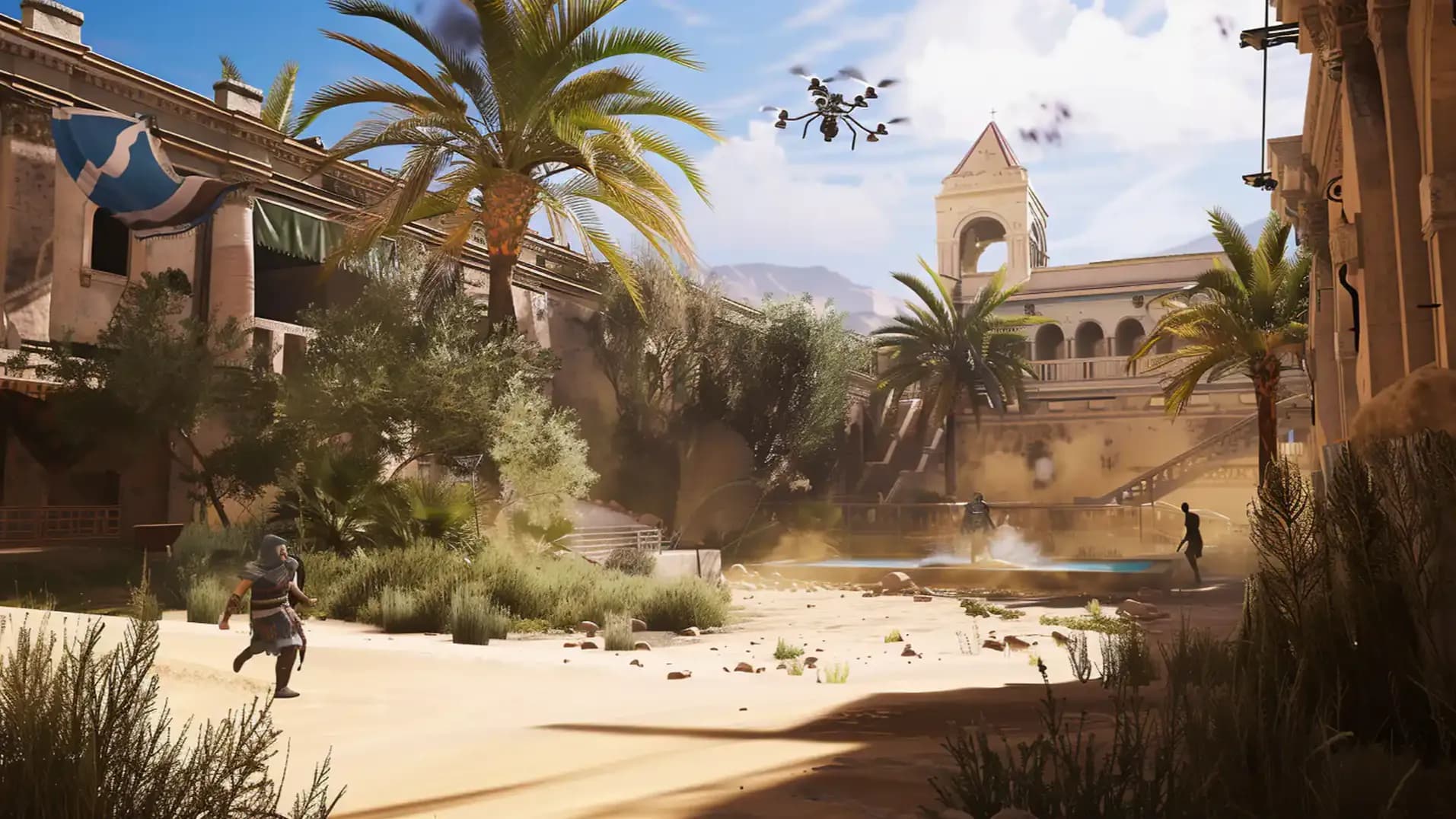
The bombardier plan depends on approach discipline, since spotters can ruin the sneak. The operator should use buildings as cover, get close, throw a lure grenade to pull fire, then place the Deadline during that short window, while respecting the shock wave range.
This one gives a clean approach flow, so the operator reaches stick range without panic.
- Use building cover to approach
- Reach close range while spotters stay blind
- Throw a lure grenade to pull fire
- Stick Deadline during the lure window
- Back into cover before the shock wave hits
After the stick, the operator should avoid hovering near the body, since the shock wave can stun and open a free down for a third party.
Rocketeer – burst with Wolf Pack or ranged chip with Seeker
The rocketeer can be handled with Wolf Pack burst plus Anvil shots, and that remains a clean answer in direct fights.
A second option exists in the Seeker grenade path, since a Seeker can be thrown near the rocketeer, then it seeks once the target is inside radius, which allows chip from distance without relying on a fixed long throw range.
This one shows a simple choice rule, so the operator picks a plan in one glance.
- Wolf Pack plan – use it when the operator can close distance safely
- Seeker plan – use it when the operator must stay at range
After the rocketeer drops, the operator should rotate away from open lanes, since long-range noise often draws human hunters.
Wasps and Hornets – cleaning the air fast
The seeker grenade deletes wasps in one hit, which makes air cleanup simple during routes.
Hornets carry armor, so seekers still help, with reduced impact, and the operator should treat hornets like an ammo tax.
This one shows a small carry rule, so inventory stays practical inside a raid bag.
- Keep Seeker grenades for air pests, so wasps stop draining focus
- Save primary ammo for hornets, since armor reduces Seeker value
After the air is clear, the operator should pause for audio, since footsteps often hide under wing noise.

• Fast Spaceport raid completion
• Guaranteed loot and rewards
• Secure professional carry service
$3.59
$6.99

• Fast Buried City completion
• Guaranteed loot and rewards
• Secure professional raid carry
$3.59
$6.99
• Fast stash expansion service
• Up to 200 storage slot
• Secure, professional boosting
$1.49
$5.99
Grenades and blueprints. What drops and where
These Arc Raiders arc enemies guide routes lean on craftable grenades, since Trailblazer and Deadline became viable after blueprint access, and Stella Montes is the drop location for those new blueprints.
This one summarizes blueprint and material needs, so crafting stays planned and storage stays calm.
| Item | Blueprint location | Core crafting needs |
|---|---|---|
| Trailblazer | Stella Montes containers | Explosive compound and synthesized fuel |
| Deadline | Stella Montes containers | Arc circuitry and explosive compound |
| Seeker grenade | Craftable via blueprints from the same update | Crude explosives and arc alloy |
After blueprints drop, the operator should treat explosive compound and synthesized fuel as the choke points, since those decide how often Trailblazer and Deadline can be used.
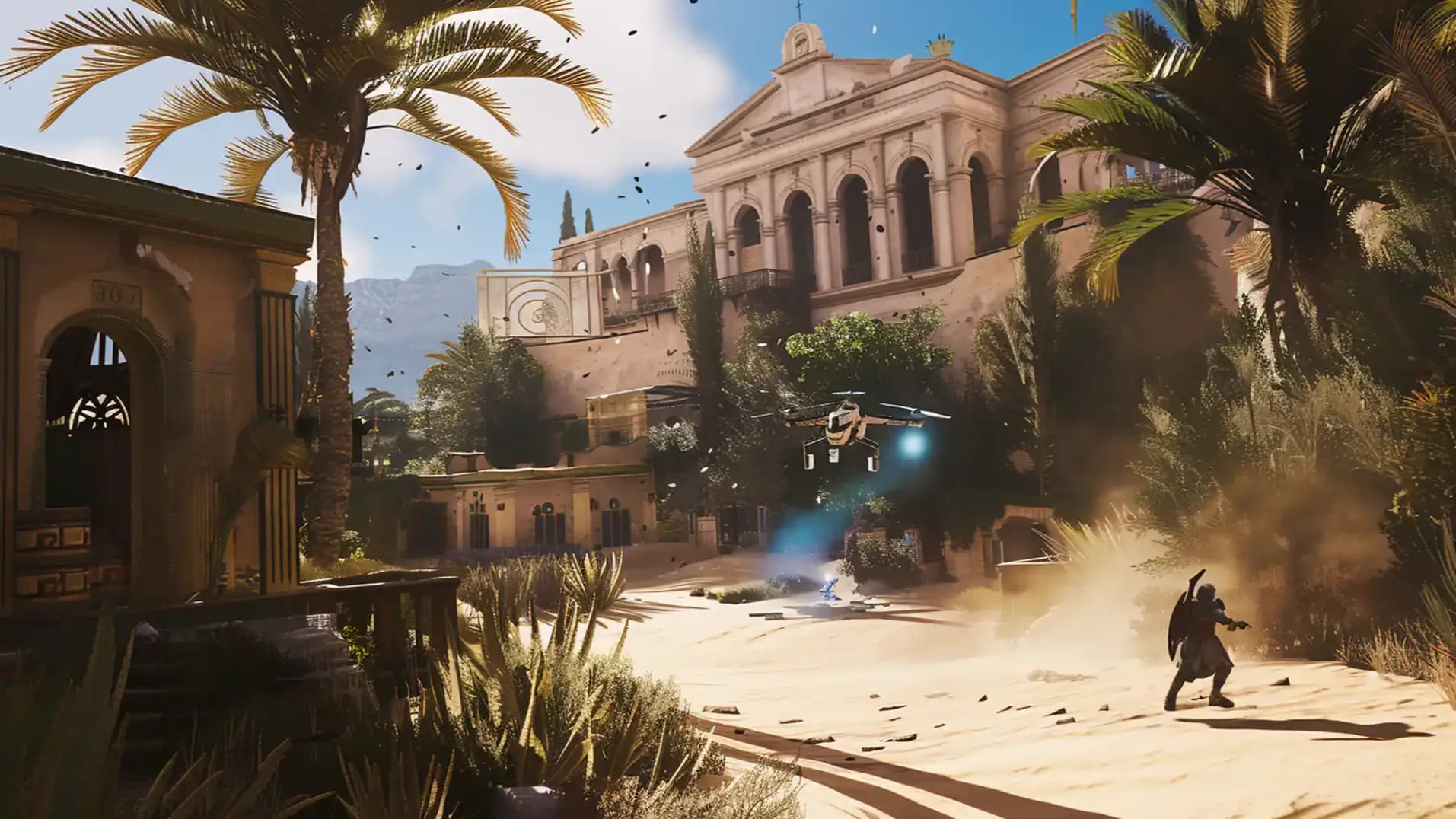
Stella Montes lobby route – farming fuel and explosive compound
The farming loop is built around the lobby area, since black boxes and cabinets can spawn explosive compound, and fuel canisters can appear along the path.
The operator should move with discipline, since player contact in Stella Montes can spike quickly.
This one shows the route as a straight flow, so the operator can run it with light gear and a clear exit plan.
- Start in the lobby room and check black boxes for explosive compound
- Hit the left room for explosive compound and synthesized fuel
- Check a security breach, since it can drop Trailblazer grenades
- Sweep cabinets, since explosive compound can sit inside and gets skipped often
- Move out, then check the car for fuel canisters
- Go top floor, then take the stairwell path to a cart fuel spawn
- Drop down using ledges to reduce damage, then enter the fuel room
- Loot the medical-style container, since blueprints can spawn there too
- Leave with loot discipline, then extract while the run is still quiet
After the loop, the operator should craft right away, since quick crafting turns loose components into raid power, which supports the next Arc Raiders arc enemies guide run.
Survival rules for the farm run
The operator should treat the lobby loop as a light-load sprint, since the goal is fuel and compound, then a safe exit. A free Loadout and a free safe pocket can be used to reduce loss pressure on death, while still banking the key items.
This one shows a simple carry policy, so weight stays controlled and movement stays clean.
- Keep one escape grenade reserved for players
- Keep one healing item ready for sprint reset
- Keep safe pocket space for fuel or compound
After the extract, the operator should restock grenades, since Trailblazer and Deadline turn ARC fights into short, controlled engagements.

Table of content
Arc Raiders arc enemies guide – Leaper tactics, Bastion plan, Trailblazer and Deadline use, plus Stella Montes lobby route for fuel and compound.
25 November, 2025
Arc Raiders arc enemies guide – Leaper tactics, Bastion plan, Trailblazer and Deadline use, plus Stella Montes lobby route for fuel and compound.
25 November, 2025
Arc Raiders arc enemies guide – Leaper tactics, Bastion plan, Trailblazer and Deadline use, plus Stella Montes lobby route for fuel and compound.
25 November, 2025
Arc Raiders arc enemies guide – Leaper tactics, Bastion plan, Trailblazer and Deadline use, plus Stella Montes lobby route for fuel and compound.
25 November, 2025

Arc Raiders arc enemies guide – Leaper tactics, Bastion plan, Trailblazer and Deadline use, plus Stella Montes lobby route for fuel and compound.
25 November, 2025

Arc Raiders arc enemies guide – Leaper tactics, Bastion plan, Trailblazer and Deadline use, plus Stella Montes lobby route for fuel and compound.
16 December, 2025

Arc Raiders arc enemies guide – Leaper tactics, Bastion plan, Trailblazer and Deadline use, plus Stella Montes lobby route for fuel and compound.
16 December, 2025
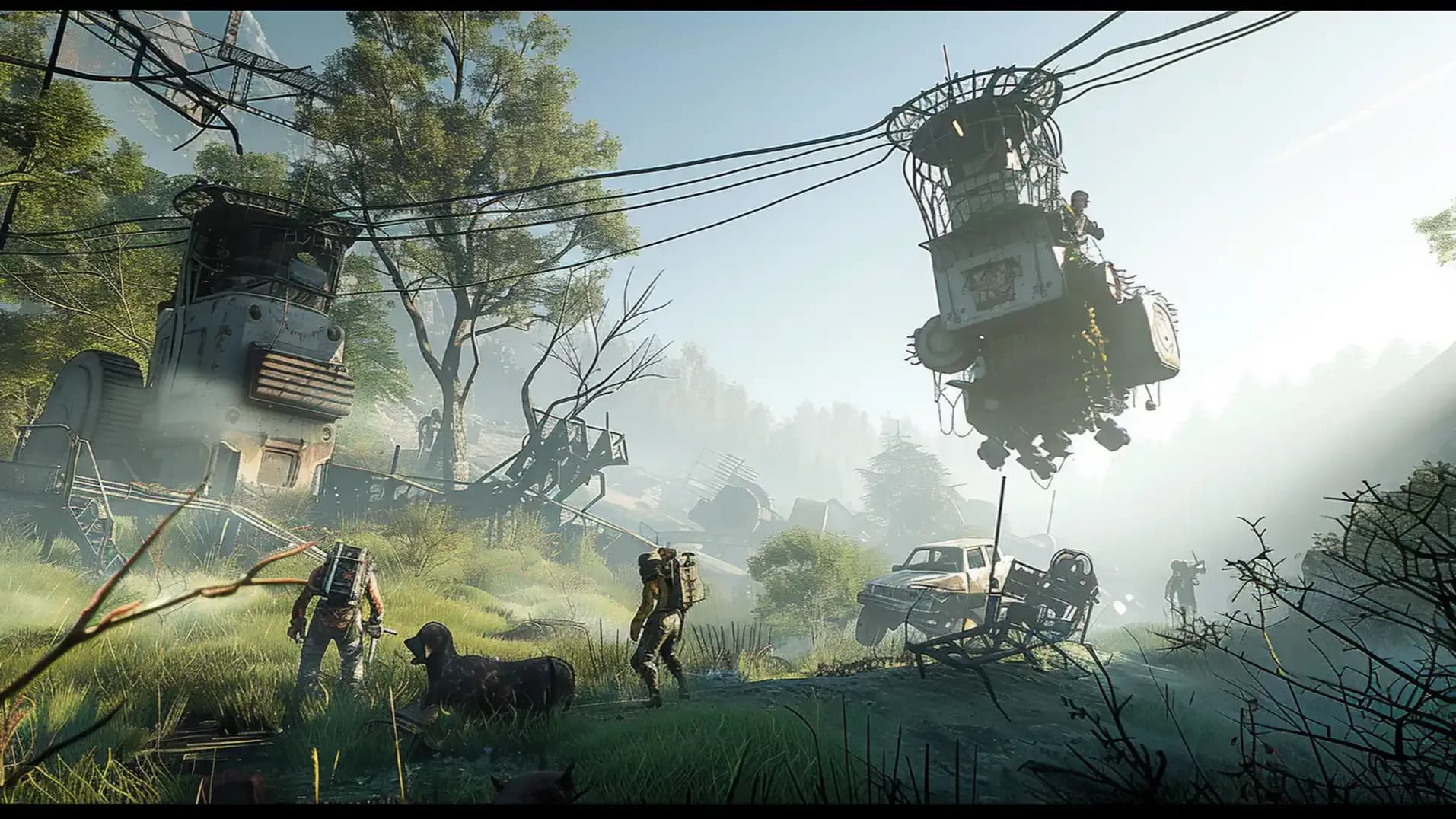
Arc Raiders arc enemies guide – Leaper tactics, Bastion plan, Trailblazer and Deadline use, plus Stella Montes lobby route for fuel and compound.
16 December, 2025

Arc Raiders arc enemies guide – Leaper tactics, Bastion plan, Trailblazer and Deadline use, plus Stella Montes lobby route for fuel and compound.
25 December, 2025

Arc Raiders arc enemies guide – Leaper tactics, Bastion plan, Trailblazer and Deadline use, plus Stella Montes lobby route for fuel and compound.
25 December, 2025

Arc Raiders arc enemies guide – Leaper tactics, Bastion plan, Trailblazer and Deadline use, plus Stella Montes lobby route for fuel and compound.
25 December, 2025

Arc Raiders arc enemies guide – Leaper tactics, Bastion plan, Trailblazer and Deadline use, plus Stella Montes lobby route for fuel and compound.
25 December, 2025
ARC enemies – raid mindset | Arc Raiders arc enemies guide FAQ
What is an Arc Raiders arc enemies guide used for
It gives raid-ready target reads, plus simple tactics that fit building fights, so the operator can commit fast, keep tempo, and exit with loot.
How should ARC targets be grouped during a raid
ARC targets should be treated as small flyers and heavy walkers, then the operator picks one grenade plan that fits the band and the current cover line.
What is the safest plan for a Leaper
The operator should pull the Leaper into a building, force it to hug a wall, then throw Trailblazer at close range and finish with controlled shots.
Why does the Shredder need a room trap
The Shredder can slip the Trailblazer trail in open space, so the operator should pull it into a tight room, throw the grenade, then close the door.
How should Bastion be handled in close cover
The operator should distract the turret, then stack Trailblazer throws fast, or break a knee to open a short disable window and stick a Deadline.
What is the Bombardier approach plan
The operator should use buildings for approach cover, throw a lure to pull fire, then place a Deadline during that window and back into cover from shock waves.
What is a reliable answer to Rocketeer pressure
Wolf Pack plus focused shots works at closer ranges, while a Seeker grenade can be thrown near the target so it starts seeking inside radius from safer distance.
Where do Trailblazer and Deadline blueprints drop
The blueprint drop location is Stella Montes containers, so the operator should route through the lobby loop to hunt blueprints while also farming fuel and compound.